
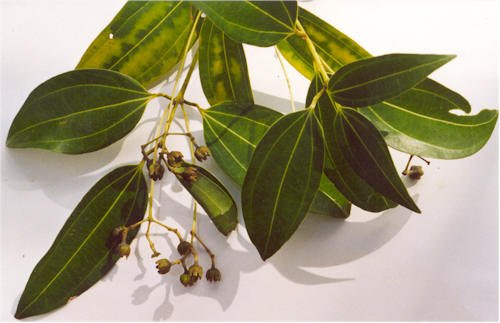
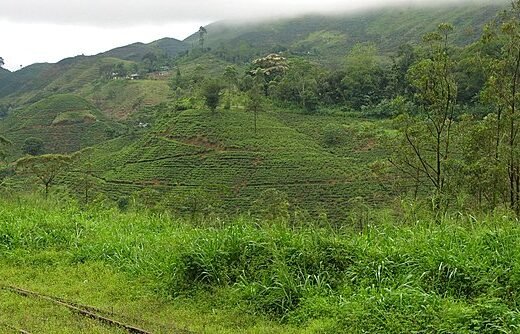
Matale District in Sri Lanka’s Central Province is the heart of the island’s spice-growing region, where volcanic red laterite soil, reliable rainfall, and warm temperatures support cultivation of cinnamon, cardamom, clove, nutmeg, black pepper, vanilla, turmeric, and lemongrass. Sri Lanka is responsible for approximately 80 to 90 per cent of the world’s supply of Ceylon cinnamon (Cinnamomum verum), the true cinnamon species â botanically and culinarily distinct from the cassia sold as cinnamon in most international markets.
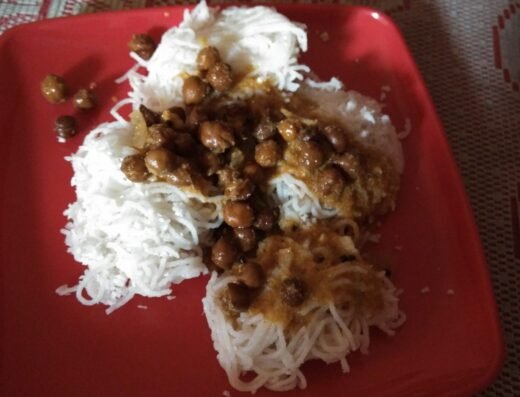
A spice garden tour and cooking class begins with a guided walk through a working spice plantation, where each species is identified and its cultivation, harvest, and traditional use explained. Participants smell and taste raw spices at different stages of processing and observe demonstrations of skilled techniques such as cinnamon bark peeling and quill-rolling. The cooking class uses the garden’s spices to prepare authentic Sri Lankan dishes â typically including a rice and curry, a sambol, and a dessert using jaggery (palm sugar) â which participants eat at the end of the session.
Categories
Regions
Location
Nearby Listings

Only guests who have booked can leave a review.

